



Articles from ‘April 2026’ Issue
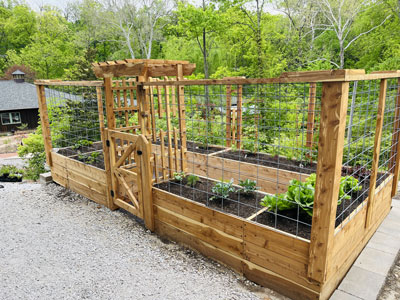 Transforming Yards Into Edible Gardens
Across the St. Louis metro region, more people are looking for ways to live healthier, more sustainable lives. One local company is helping make that vision a reality by transforming everyday outdoor spaces into vibrant landscapes that produce fresh, nourishing food.
Custom Foodscapes specializes in designing and creating beautiful, food-producing environments for homes, businesses, and community… [click headline to read more]
 “My Labs are Normal. Why Do I Still Feel So Bad???”
By Dr. Amy Davis, M.D.
Many patients arrive at my office feeling frustrated and confused. They’ve done the responsible thing—they visited their doctor, had blood tests, and were told, “Everything looks normal.” Yet they still struggle with symptoms such as:
Fatigue, Brain fog, Digestive issues, Sleep problem, Headaches, Chronic aches
“Normal” Doesn’t Always Mean “Optimal”
From a functional medicine perspective, “normal” does not always… [click headline to read more]
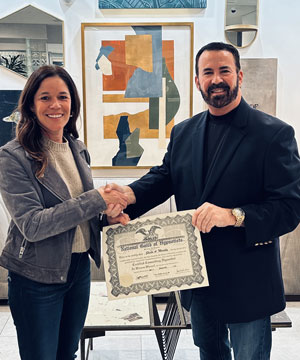 Become a Certified Hypnotist
Attend the Heartland Hypnosis Conference to Learn How Hypnosis Can Help You
By William Mitchell M.Div., BCH, CI
When people find out that I am both a Protestant Minister and a Hypnotist, they want to know what can be done with Hypnosis. Most people immediately think of entertaining hypnosis stage shows. However, Hypnotism is much more than… [click headline to read more]
 Rise to Wellness, LLC is Taking New Clients!
Rise to Wellness, LLC. providers collaborate with individuals, couples, families and with other treatment providers to work towards clarifying root causes of suffering, using personalized treatment strategies to increase resiliency. We partner with our clients to achieve meaningful growth.
Clinicians hold Master’s Degrees in Social Work and are fully Licensed Clinical Social Workers with experiences working… [click headline to read more]
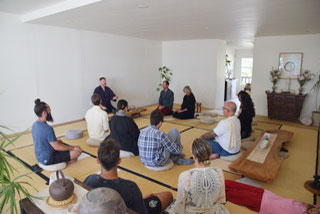 The Incense Journey™ at the Heartland Hypnosis Conference
Fragrance, Hypnosis, and the Art of Inner Stillness
At the Heartland Hypnosis Conference, learning extends beyond technique and theory. It becomes experiential, embodied, and deeply human. This year’s conference offers a rare opportunity to engage one of the most immersive and transformative experiences available in the field of hypnosis and consciousness work: The Incense Journey™ – An… [click headline to read more]
 St Louis Mystic Fair, April 24-26
The STL Mystic Fair is a three-day metaphysical, psychic, and holistic wellness event bringing together readers, healers, and spiritual vendors from across the Midwest. Whether you are a veteran of the metaphysical lifestyle, just starting to explore, or simply curious about what a “mystic fair” even is, this event is designed to be welcoming, open-minded,… [click headline to read more]
 Returning to What Truly Matters
By Dr. Gail Cloud
Boy, what a ride the last few years have been. If someone were to tell us the type of things we would experience back in 2019, we would not believe them. This was just before the Covid years and so on from there.
We have gotten so far from our internal roots. We… [click headline to read more]
 The Benefits of Aromatherapy for Everyday Wellness
Spring is a natural time to restore balance and refocus on wellness. Aromatherapy is a natural way to create a sense of balance as life gets busier.
Aromatherapy is a holistic practice that uses natural plant extracts, called essential oils, to support physical and emotional well-being. Derived from flowers, herbs, and citrus peels, these oils can… [click headline to read more]
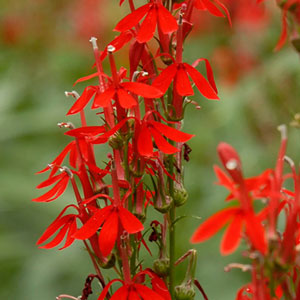 Clay Busters
By Ann Lapides
Photo: Cardinal Flower
Mastering the heavy clay soil of the Gateway City area starts with choosing the right varieties for the job. While clay is often a challenge for us St. Louis gardeners, it is also incredibly fertile, serving as a “nutrient bank” that retains water and minerals far more effectively than sandy soils.… [click headline to read more]
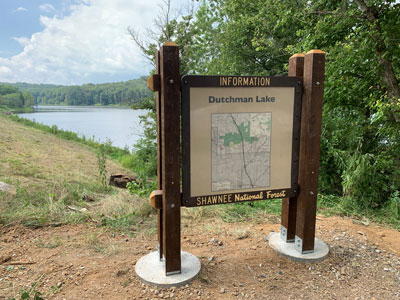 Give a Hoot, Don’t Pollute! Volunteers Invited to the 2026 Trash Blasts in Southern Illinois
Photo: Dutchman Lake
It’s that time of year where we roll up our sleeves, step outside, and celebrate our good friend Woodsy Owl by cleaning up the Shawnee National Forest. Illinois Extension, Shawnee National Forest, and Friends of the Shawnee National Forest are inviting volunteers of all ages to join the 2026 trash blasts, a series… [click headline to read more]
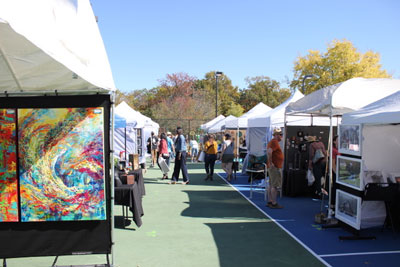 Art, Flavor, and Music at the 6th Annual Sunset Hills Makers Market
Saturday, May 2, 2026 • 10:00 AM – 5:00 PM Watson Trail Park, Sunset Hills, MO (12450 West Watson Rd)
The Sunset Hills Makers Market returns for its 6th edition on Saturday, May 2, 2026, at Watson Trail Park, 12450 West Watson Rd. This juried art fair has become one of the region’s favorite fall traditions,… [click headline to read more]
 Internal Spirit Holistic Fair, May 22 and 23
This is a two day Metaphysical/Holistic/Psychic Fair.
Friday, May 22, 2026 from 3 pm to 8 pm and
Saturday, May 23, 2026 from 10 am to 7 pm.
Admission $10. at the door. Jewelry, Crystals, Stones, Psychics, Tarot and Angel Card Readers, Astrologer, Pet Psychic, Reiki Masters, Aura and Chakra Photos, and more! Workshops on Saturday.
The first 50… [click headline to read more]
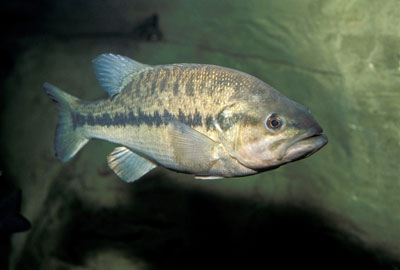 CONSERVATION CORNER: Water’s Hidden Spring
By Dan Zarlenga, Missouri Department of Conservation
Photo caption: Largemouth bass are one of Missouri’s fish triggered into action by the onset of spring. Photo by Jim Rathert, Missouri Department of Conservation.
April lights the fuse for an explosion of life across Missouri. Bird choruses erupt at dawn, buds swell and burst from tree branches, and flowers… [click headline to read more]
 ARTful Living
Supporting St.Louis Arts
By Michelle “Mike” Ochonicky, Healthy Planet Arts Editor
Image: “Thirsting,” encaustic, by Grace Carol Bomer
“At a moment when arts organizations across the country are facing increased censorship, political pressure, and shrinking public support, {art} spaces…depend more than ever on the people who believe in the importance of artistic freedom.” That statement is terribly accurate… [click headline to read more]
 Voices to Elevate Frequency During Rough Times!
By Diane K. Wilson
During difficult seasons of life, the wisdom of those who have walked powerful paths can help restore motivation plus raise one’s frequency and sense of purpose. The following are may assist you to keep your vibrations steady during times of difficulty.
Doctors & Health Thought Leaders:
• Dr. Joe Dispenza • Dr. Eric Berg… [click headline to read more]
 Publisher’s Corner
Caring for Ourselves and the Earth
By Susan Hunt-Bradford
April has always felt like a fresh start. After months of cold, gray days, the earth begins to wake up again. Trees bud, flowers push through the soil, and there’s a quiet sense that something new is possible. It’s no coincidence that this is also the time we… [click headline to read more]
 Earthworms’ Castings
By Jean Ponzi
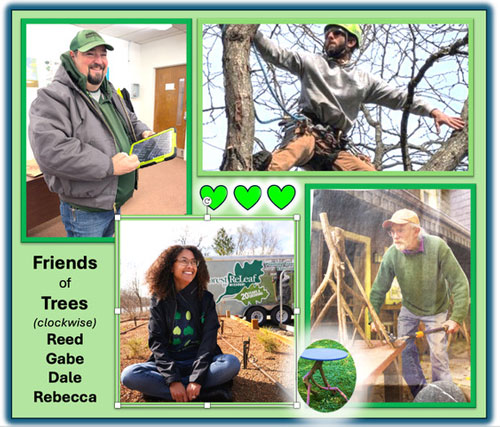
Friends of Trees
They stand around us silently,
providing shade, inviting breeze.How can we better value them?
Seed-thoughts for you,
from Friends of Trees.
Reed is a Tree Reader.
He inventories trees.The factors he assesses are
our Urban Forest-tending keys:
Diameter at Breast Height (Size),
Condition, Species, Tree Location.
All important to inform a
smart Tree Maintenance foundation!
A Public Works Director
would commission stats like… [click headline to read more]
 Founder’s Forum: Thank You Mother Earth!
By JB Lester
It’s time to write my Earth Day column again. This is the 29th time I have done so since the Healthy Planet magazine began publishing in 1997. This year I want to say Thank You to Mother Earth for what she has gifted me and my family over the years. Without her wonders,… [click headline to read more]
 Irresistible Community Builders, LLC presents:
Where There is a Will, There is a Way!
By Tom & Carol Braford
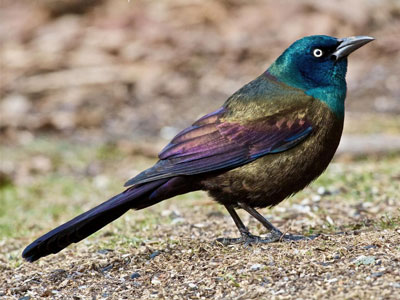
For the last 7 years now, we have been surrounded by a great wading bird rookery of 4 endangered species, including great white egrets, snowy egrets, night herons and small blue herons. Last year, they were joined a couple weeks after they arrived… [click headline to read more]
 Recycling 101 – Earth Day 2026
By Steve Davies, Healthy Planet Columnist
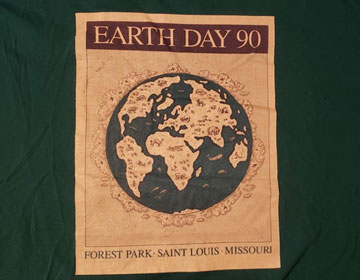
So, with Earth Day coming up, I thought this would be a good time for me to maybe step back in time. That time starting in 1990. That was the first year I got involved in Earth Day and while my role was limited in the beginning, I later became… [click headline to read more]
 The MoonRise Hotel Celebrates Earth Day
The Moonrise Hotel located in the heart of the Delmar Loop is proud to be one of the region’s leading green hotels, making it possible for the eco-conscious guest to feel good about his or her stay and for all guests to leave smaller footprints. The 60 ft. solar canopy over the Rooftop Terrace Bar… [click headline to read more]
 The Benefits of Mindfulness
By Jasmin Acosta, Healthy Planet Staff Writer
Mindfulness is a simple but powerful way of bringing your attention back to the present moment. In a world that often feels rushed and overwhelming, mindfulness invites us to slow down, breathe, and truly experience life as it unfolds. It does not require hours of practice as all it… [click headline to read more]
 You Get What You Inspect, Not What You Expect
By Malachi Rein, Director, Building Energy Exchange St. Louis
Costs are dominating conversations across the United States. When folks talk about housing affordability, they often focus on a misleading number: the price of the home itself. Census Bureau stats show that even homeowners without mortgages have seen their monthly housing costs increase. You can see this… [click headline to read more]
 Fresh French Carrot Salad for Spring
By Natalie R. Toney, Healthy Planet Food Editor, M.F.A., C.H.
I just returned inside from watching the squirrels sprightly scurry about, emerging flower shoots peeking through thunderstorm-drenched blades of grass and mud this morning. All choreographed to an opera of birdsong that begins their chorus just a little earlier each morning and continues a few minutes… [click headline to read more]