


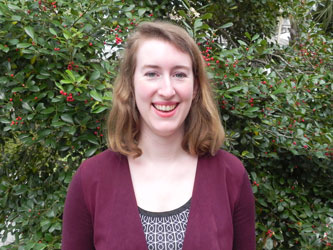
By Maeve Elder, Communication & Outreach Coordinator, Missouri Gateway Green Building Council
This year is MGGBC’s 25th Anniversary and we’ve been busy celebrating 25 Years of Green Building this year. We’re also intentionally staying future-focused with our tagline – The Future Can’t Wait, which reasserts the urgency of continuing to green the built environment as we near 2030, a key target milestone in architecture for achieving carbon neutrality in all new buildings, development and major renovations.
So what does that even mean and why is it important? The built environment is responsible for 40% of global carbon emissions – in the City of St. Louis that’s closer to 65%. Buildings that get their energy from fossil fuels contribute to global warming, which worsens environmental degradation and public health issues. Carbon neutral buildings are ones that use no fossil fuel energy or greenhouse gas (GHG)-emitting energy to operate and therefore help eliminate these adverse impacts.
As 2030 draws near, we’re focused on the work ahead more than ever, but looking at the progress that’s been made is worthwhile. Global building sector operating emissions (heating, cooling, lighting, hot water, plug load, etc.) actually began declining in 2023, after stabilizing between 2018-2022. This is
particularly significant considering that the global building stock added an amount equivalent to the total building area of the United States between 2018-2024.
We’ve got a lot to celebrate here in the U.S. where energy intensity – the energy required to operate buildings – has declined by around 16% since 2005. Decreases in building CO2 emissions is even more remarkable: 39.5% in residential, 47.9% in commercial. Total emissions from U.S. building operations dropped by 32% — even with about 70 billion square feet of new construction added to the mix. And these positive trends are expected to grow as building efficiency and electrification increases, and the renewable energy transition continues.
So what does all this mean? It means there’s hope. It means the green building movement has transformed the built environment and it will continue to do so. Challenges like Architecture 2030 have laid critical groundwork for achieving these reductions with ripple effects across the industry. There is still a lot of work to do to meet scientific reduction targets by 2030, and it will require comprehensive action across the built environment, but the transformation that’s already happened can help us see what’s still possible.
See Edward Mazria’s “Countdown to 2030” in the Common Edge blog for data sources and to learn more.