



By Jean Ponzi
Safe Sustainability for Rechargeable Batteries
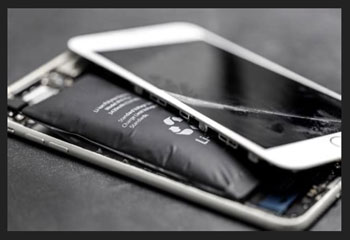
My phone battery is BULGING! What should I do?
This call came to me as operator of the Green Resources Info Service, on my job with Missouri Botanical Garden. I gave a calm yet urgent answer.
Turn off your electronic device! Take it into a well-ventilated area to avoid possible dangerous fumes. Remove the battery from the device. Fill a sturdy plastic bag with kitty litter or sand, put the battery in that material and seal or tie the bag. Recharge yourself with good deep breaths.
Next, visit www.BatteryNetwork.org/safety and order the container that will safely get that battery recycled. You can’t bring a damaged, defective or recalled (DDR) battery to the many stores that accept rechargeable batteries for recycling. Until you can properly ship it off, keep the damaged battery bag away from sources of heat or flame. When not property handled, DDR rechargeables can ignite or explode!
This protocol applies when any rechargeable cell is punctured, swollen, leaking, or compromised by moisture or heat. Inspect a battery if you suspect damage. Are there bumps on the surface? Are device buttons harder to press? Look for any evidence that the cell is coming apart.
Education from Battery Network supports safe sustainability for partner companies that power our cordless mobile world. Rechargeables are engineered to operate efficiently for two to three years, aligned with today’s electronic turnover cycles. It’s likely you’ll replace a device before changing its battery.
Incidents like this one in this story aren’t common, but stuff happens.
Rechargeable battery chemistries include some of Earth’s rarest elements. A stewardship ethic and business sense in the battery industry helped enact a federal law, the Battery Act of 1996, that mandates recovery through recycling. Though collection specifics vary state-to-state, clear and simple rules apply for battery recycling everywhere.
ALWAYS
- Properly recycle ALL rechargeable batteries!
- Place each battery in a separate plastic bag OR
- Tape over all battery terminals to prevent hazardous contacts.
- Use clear packing tape or electrical or duct tape; other kinds of tape will come loose.
- Position an opaque tape so it doesn’t cover the chemistry abbreviation printed on the battery.
- Store all batteries in a cool, dry place.
- Conveniently recycle bagged or taped batteries at stores near you! Battery Network lists over 20,000 locations, nationwide.
NEVER
- Dispose of rechargeable batteries in landfill trash or blue recycling bins – they start fires in trash trucks and recycling facilities!
- Store these kinds of batteries loose together.
- Crush, dismantle or otherwise damage batteries.
Spent batteries that no longer power a device can still carry enough charge to spark a fire if terminals contact metal or other batteries.
Rechargeables now power cordless tools and household appliances, digital cameras, portable chargers, gaming controllers, drones, emergency and medical devices, ride-on toys, security systems and electric bikes and vehicles. Recycling reclaims valuable material from all kinds of uses.
Need to know what kind of battery you’re dealing with? You’ll find the chemistry abbreviation printed on the cell:
- Lithium-ion (L-ion)
- Nickel Metal Hydride (Ni-MH)
- Nickel Cadmium (Ni-Cd)
- Small Sealed Lead-Acid (SSLA/Pb).
Recycling is an option but not mandated for Alkaline (called Primary) batteries, because their chemistry isn’t defined as hazardous and their plastic and metal makeup has a negligible recycling value. Pre-paid mail-in recycling is the way to recover AA, AAA, D, C and 9-volt single-use batteries, along with button batteries from things like hearing aids, flashlights and vape pens.
Button batteries are made for single use, but they include recoverable chemistries. Primary and button cells are not accepted in store-chain drop-off bins. To recover them, tape around their sides to prevent sparking and bring them to electronic recycling events.
We keep the power cycling with safe, sustainable use of rechargeable batteries.
The Garden’s Green Resources Info Service is at your service with personalized answers to any question about sustainable living. Reach us at 314-577-0246 or GreenResources@mobot.org..